Corporate Protocol Manual | Order, coherence and business representation

Design of internal criteria for events, meetings, visits, precedence, institutional attention and corporate representation.

Corporate protocol · Reputation · Internal procedures · Institutional representation

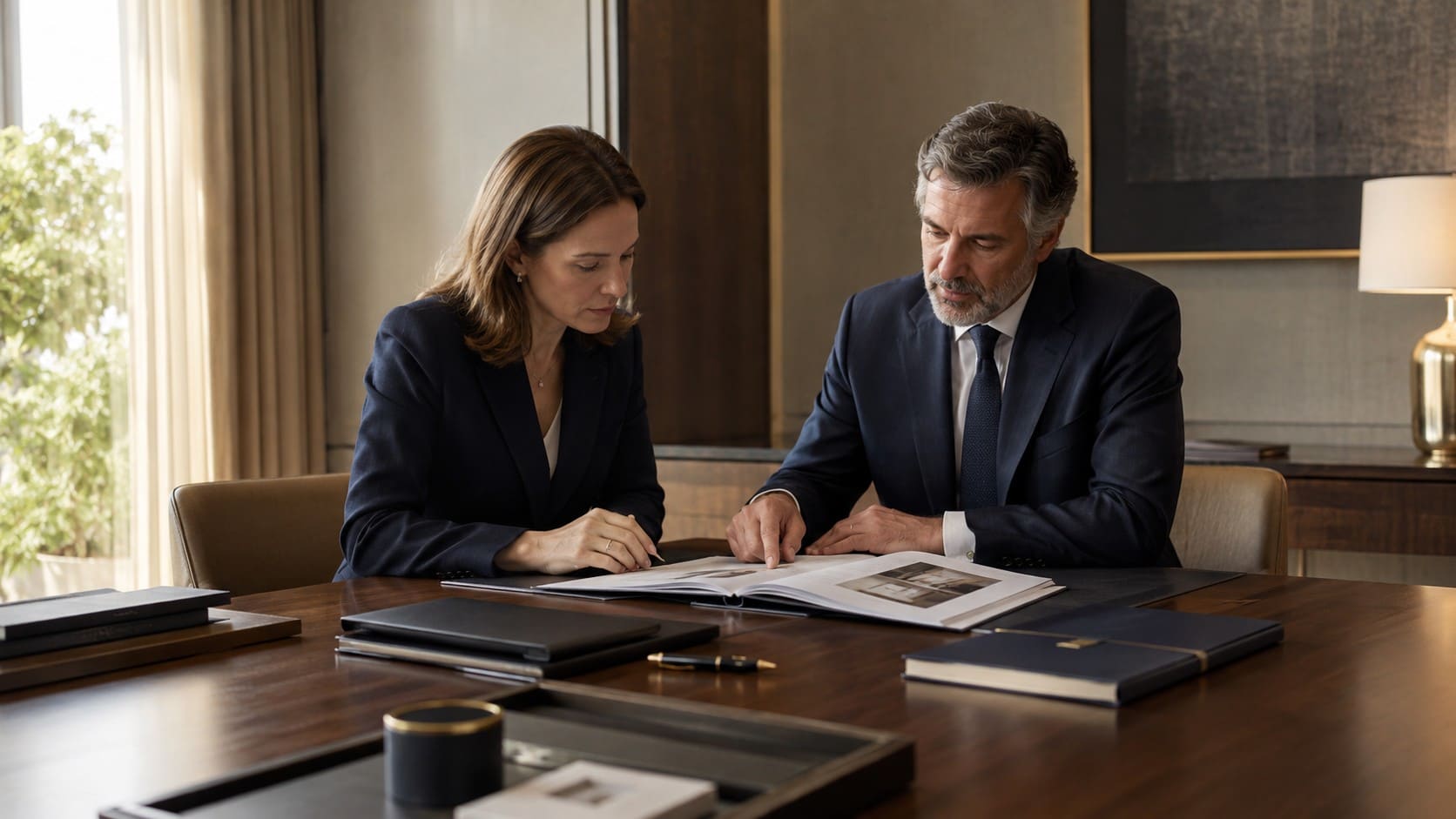
Professionals reviewing a corporate protocol manual in a premium executive setting to structure criteria for corporate representation and organisation

Corporate protocol reduces improvisation and protects reputation


A corporate protocol manual is not a decorative document. It is a management tool that structures how a company receives, represents, organises, communicates and acts in situations of internal, external and institutional exposure.

Its value lies in turning scattered criteria into clear procedures: who makes decisions, how events are structured, which forms of address apply, how visitors are received, how precedence is managed and how the organisation’s coherence is protected before clients, authorities, partners and key stakeholders.

Areas the manual should structure


The content of the manual is adapted to the company’s structure, corporate culture, types of event, level of institutional exposure and real coordination needs.

Events, meetings and visits

Criteria for institutional meetings, corporate events, visits, signings, high-level meetings and the reception of delegations.

Precedence, chairing arrangements and forms of address

Structuring of positions, hosts, guests, speeches, tables, seating, forms of address and rules of courtesy.

Communication, symbols and staging 

Use of flags, emblems, lecterns, photography, scripts, messages, timings, spaces and visible elements of representation.

Roles, templates and procedures

Definition of responsible parties, decision-making workflows, checklists, briefings, invitations, agendas, seating plans and incident management.

Working methodology


The design of the manual starts with a practical diagnosis and is aimed at creating a useful, executable document aligned with the organisation’s identity, structure and objectives.

Internal steps:

Diagnosis
Analysis of types of event, internal structure, audiences, roles, risks of improvisation and coordination needs.

Index design
Definition of scope, chapters, criteria, procedures, templates and internal responsibilities.

Drafting and validation
Preparation of the manual, technical review, adjustment with the teams involved and validation of application criteria.

Implementation
Internal presentation, operational training, usage guidelines, updating and recommendations to keep the manual active.

Let’s talk sensibly

 

If your company needs to structure its events, meetings, visits, precedence or internal representation criteria, we can analyse its context and design a manual tailored to its structure, corporate culture and level of exposure.